How Are Sponge Holding Forceps Sterilized and Reused?
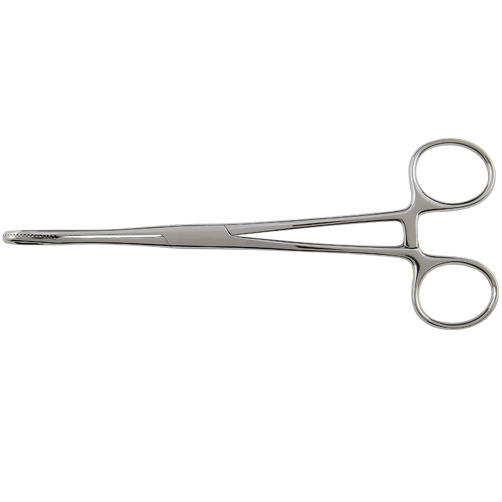
Sponge Holding Forceps are important surgical instruments used in hospitals, clinics, and operating rooms for holding sponges, gauze, and dressings during medical procedures. Because these instruments come into direct contact with patients and surgical materials, proper sterilization and cleaning are essential before reuse.
Healthcare professionals follow strict sterilization procedures to ensure Sponge Holding Forceps remain safe, hygienic, and free from harmful microorganisms. Proper maintenance also increases the lifespan and performance of these surgical instruments.
What Are Sponge Holding Forceps?
Sponge Holding Forceps are surgical instruments designed to hold surgical sponges and gauze securely during procedures. They feature ring-shaped jaws with serrations that provide a strong grip without damaging delicate materials.
These forceps are commonly used for wound cleaning, applying antiseptic solutions, controlling fluids, and handling dressings during surgeries and medical treatments.
Why Sterilization Is Important
Sterilization is necessary to remove bacteria, viruses, and other harmful microorganisms from surgical instruments. Since Sponge Holding Forceps are reused in different medical procedures, proper sterilization helps prevent infections and supports patient safety.
Without effective sterilization, contaminated instruments may increase the risk of cross-contamination and surgical complications. This is why hospitals follow strict cleaning and sterilization standards for all reusable medical instruments.
Cleaning Process Before Sterilization
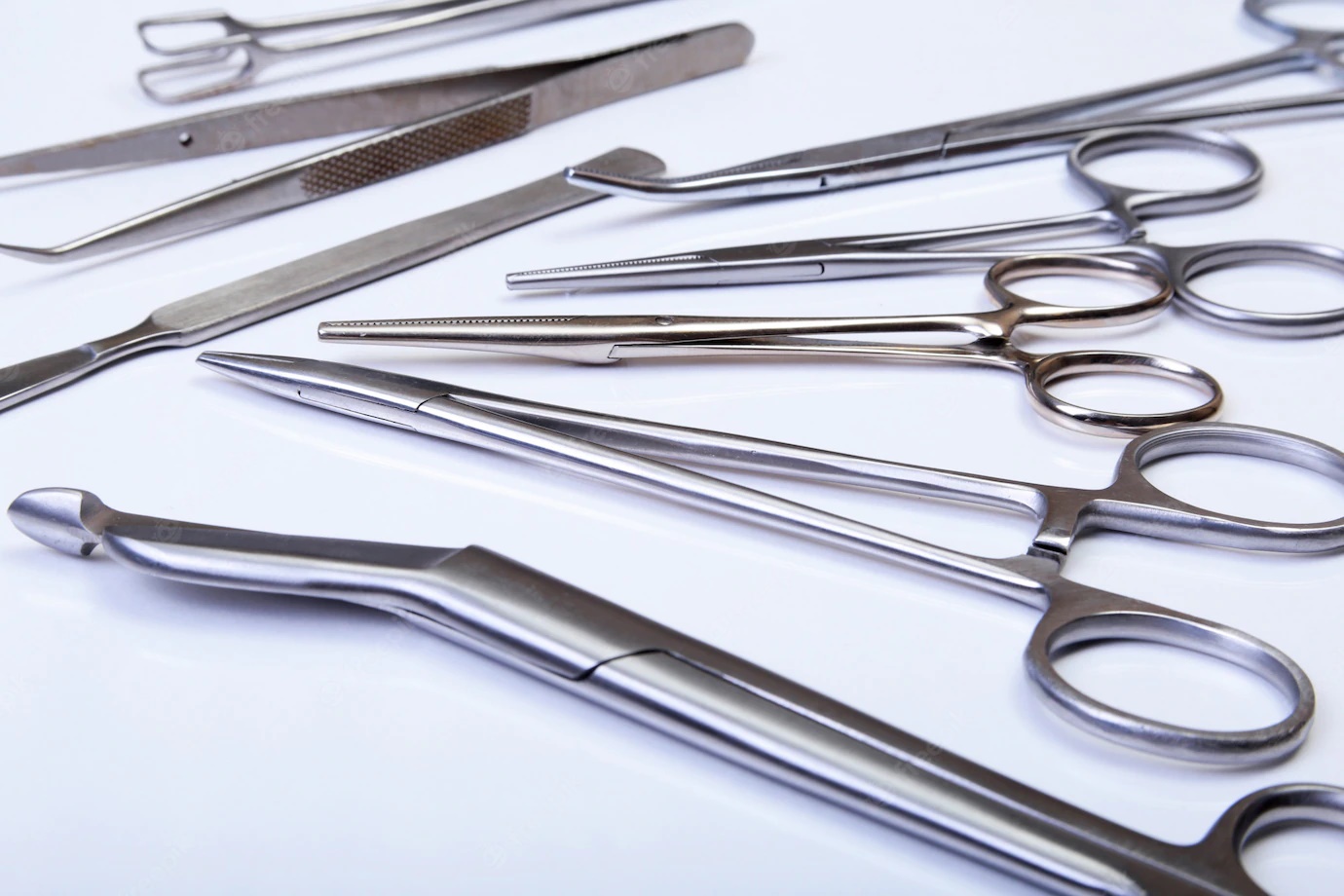
Before sterilization, Sponge Holding Forceps are carefully cleaned to remove blood, tissue particles, and other surgical debris. The instruments are usually rinsed immediately after use to prevent materials from drying on the surface.
Medical staff then wash the forceps using special cleaning solutions and soft brushes to clean the serrated jaws and locking areas thoroughly. Ultrasonic cleaning machines are also commonly used to remove tiny particles from hard-to-reach areas.
Sterilization Methods
One of the most common sterilization methods for Sponge Holding Forceps is steam sterilization using an autoclave. In this process, the instruments are exposed to high-pressure steam at controlled temperatures to destroy microorganisms completely.
Some healthcare facilities may also use chemical sterilization or low-temperature sterilization systems for sensitive instruments. However, stainless steel Sponge Holding Forceps are most commonly sterilized using steam autoclaves because of their durability and heat resistance.
Inspection and Maintenance
After sterilization, healthcare professionals inspect the forceps carefully to ensure they remain clean, functional, and damage-free. The jaws, hinges, and locking mechanisms are checked for smooth operation and proper alignment.
If any signs of rust, wear, or damage are found, the instrument may be repaired or replaced to maintain surgical safety and reliability.
Safe Reuse of Sponge Holding Forceps
High-quality stainless steel Sponge Holding Forceps are specifically designed for repeated sterilization and long-term medical use. Their corrosion-resistant construction allows them to withstand frequent cleaning and sterilization cycles without losing performance.
Proper handling, storage, and sterilization procedures help extend the life of these instruments and ensure consistent surgical efficiency in healthcare environments.
Conclusion
Sponge Holding Forceps are sterilized and reused through careful cleaning, autoclaving, inspection, and maintenance processes. Proper sterilization helps protect patients from infections while maintaining the safety and reliability of surgical instruments.
Using high-quality Sponge Holding Forceps and following correct sterilization procedures ensures excellent performance, hygiene, and long-lasting durability in medical and surgical settings.