What Is the Difference Between Mosquito Forceps and Hemostats?
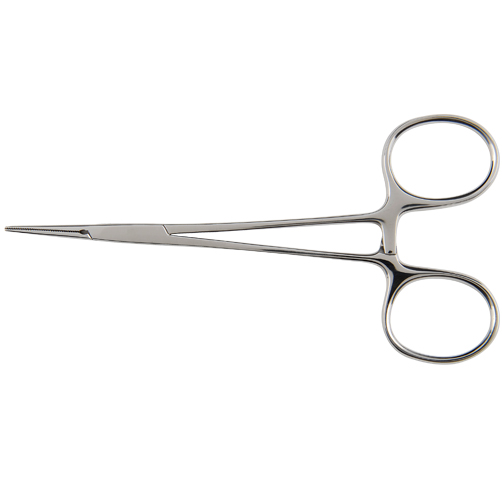
In the world of surgical instruments, mosquito forceps and hemostats are among the most commonly used tools for controlling bleeding and handling delicate tissues during medical procedures. Although these instruments may appear similar at first glance, they serve slightly different purposes in surgery and medical applications. Understanding the difference between mosquito forceps and hemostats is essential for surgeons, medical students, and healthcare professionals who work with precision surgical instruments.
Both mosquito forceps and hemostats are designed to clamp blood vessels and control bleeding during procedures. However, their size, jaw design, and intended applications make them unique tools in the operating room. These surgical instruments are manufactured using high-quality stainless steel to ensure durability, corrosion resistance, and long-term medical use.
What Are Mosquito Forceps?
Mosquito Forceps are small and delicate surgical instruments specifically designed for clamping tiny blood vessels and handling fine tissues. They are commonly used in microsurgery, plastic surgery, dental procedures, and other operations that require extreme precision.
The slim structure and fine serrated jaws of mosquito forceps allow surgeons to work in small or delicate surgical areas with excellent control. These forceps are lightweight and easy to handle, making them ideal for procedures where accuracy and minimal tissue damage are important.
What Are Hemostats?
Hemostats are surgical clamping instruments used to control blood flow during surgical procedures. Unlike mosquito forceps, standard hemostats are usually larger and stronger, allowing them to clamp medium to large blood vessels and tissues effectively.
Hemostats are widely used in general surgery, emergency procedures, and veterinary operations. They feature locking ratchet mechanisms that help maintain pressure without continuous hand force, improving efficiency during surgery.
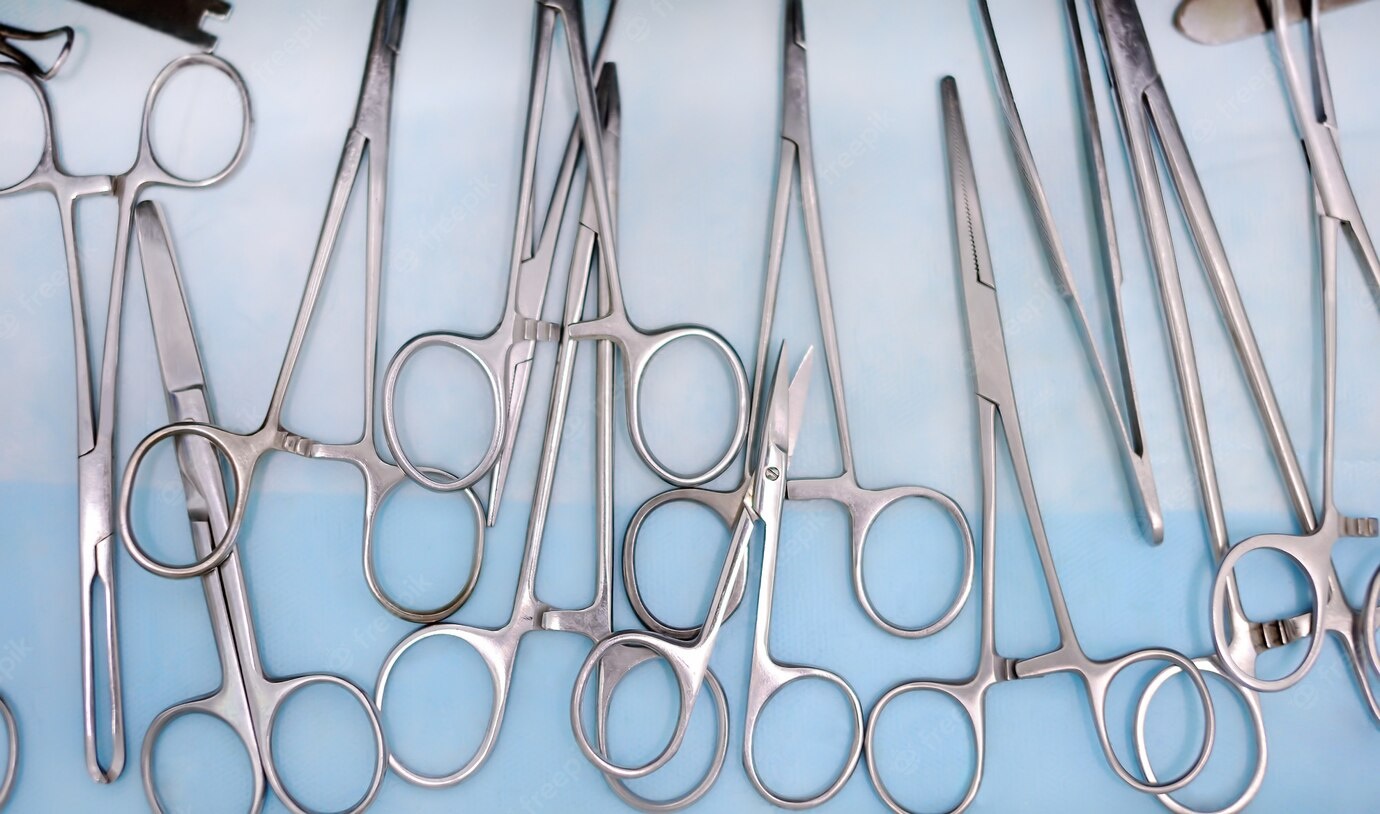
Main Differences Between Mosquito Forceps and Hemostats
The primary difference between mosquito forceps and hemostats lies in their size and intended surgical use. Mosquito forceps are smaller and more delicate, while hemostats are generally larger and designed for stronger clamping tasks.
Mosquito forceps are ideal for delicate procedures involving small blood vessels and soft tissues. Standard hemostats, on the other hand, are more suitable for controlling larger vessels and handling thicker tissues during surgery.
Another key difference is the jaw design. Mosquito forceps typically have finer serrations and slimmer jaws to improve precision, whereas hemostats are designed with stronger jaws for firm gripping power.
Common Uses of Mosquito Forceps
Mosquito forceps are commonly used in microsurgery, ophthalmic procedures, dental surgery, and cosmetic operations. Their compact size makes them highly effective in confined surgical spaces where precision is critical.
These instruments are also widely used for clamping small blood vessels, holding delicate tissues, and minimizing tissue trauma during procedures. Their precise control helps surgeons perform detailed surgical tasks with confidence.
Common Uses of Hemostats
Hemostats are versatile surgical instruments used in general surgery, trauma care, gynecology, and veterinary medicine. They are commonly used for controlling bleeding, clamping tissue, and securing surgical materials during procedures.
Their strong locking mechanism and durable design make them reliable tools for everyday surgical applications. Hemostats are essential instruments in hospitals, clinics, and emergency medical settings worldwide.
Why High-Quality Surgical Instruments Matter
Using premium-quality mosquito forceps and hemostats is important for ensuring surgical accuracy, patient safety, and long-term performance. High-grade stainless steel instruments provide excellent resistance to corrosion, easy sterilization, and reliable functionality.
Professional surgical instruments also improve handling comfort and reduce surgeon fatigue during lengthy procedures. Choosing trusted surgical products ensures better results and enhances efficiency in modern healthcare environments.
Conclusion
Although mosquito forceps and hemostats share similar functions, their differences in size, design, and surgical application make each instrument unique. Mosquito forceps are ideal for delicate and precise procedures, while hemostats provide stronger clamping for general surgical tasks. Understanding these differences helps healthcare professionals select the right surgical instrument for every procedure. Investing in high-quality surgical tools ensures reliability, safety, and excellent performance in every medical setting.