Kocher vs Allis Forceps – Which Should You Choose?
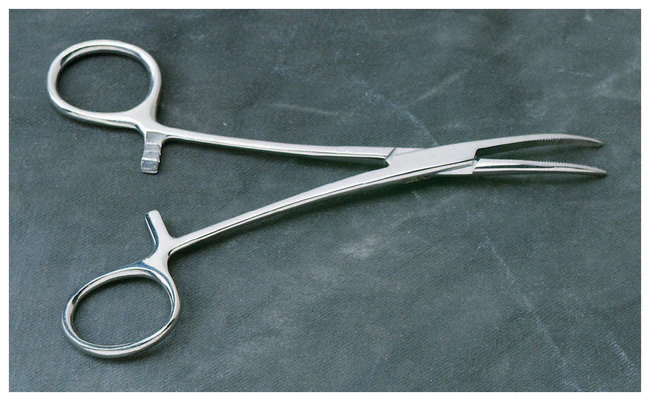
Choosing the right surgical instrument is crucial for achieving precision and safety during medical procedures. Among the most commonly used instruments are Kocher forceps and Allis tissue forceps. While both tools are designed for gripping tissues, their structure and purpose differ significantly. Understanding these differences helps surgeons and medical professionals select the most suitable instrument for each procedure.
Both Kocher and Allis forceps are manufactured using high-quality stainless steel, ensuring durability, corrosion resistance, and long-term performance. However, their design variations make them suitable for different surgical applications, ranging from firm tissue handling to delicate procedures.
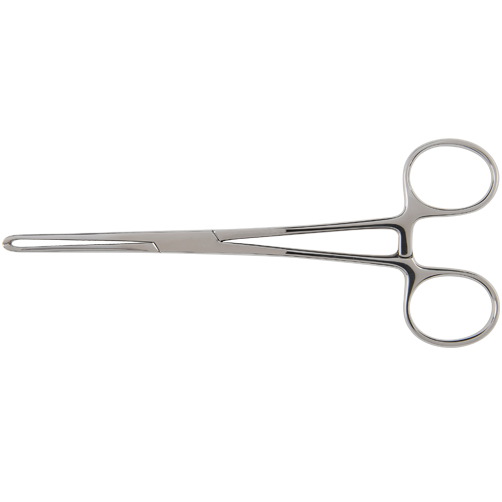
What Are Kocher Forceps?
Kocher forceps, also known as Kocher artery forceps, are surgical instruments designed with strong, toothed jaws. These teeth provide a firm and secure grip on tough tissues, making them ideal for clamping blood vessels and holding dense structures during surgery.
They are commonly used in general surgery, orthopedic procedures, and trauma cases where a strong grip is required. The locking mechanism ensures stability and prevents slipping during critical operations.
What Are Allis Tissue Forceps?
Allis tissue forceps are specifically designed for holding and retracting soft tissues. Unlike Kocher forceps, they feature multiple small teeth that distribute pressure evenly, reducing tissue damage while maintaining a firm grip.
These forceps are widely used in gynecology, general surgery, and soft tissue procedures where careful handling is essential. Their design allows surgeons to work with precision and control.
Key Differences Between Kocher and Allis Forceps
The main difference between Kocher and Allis forceps lies in their gripping strength and application. Kocher forceps are designed for heavy-duty use, making them suitable for tough tissues and blood vessels. In contrast, Allis forceps are used for softer tissues and provide a less traumatic grip.
Kocher forceps have larger, more aggressive teeth, which can cause damage if used on delicate tissues. Allis forceps, with their multiple smaller teeth, offer better control and are safer for temporary tissue holding.
Which One Should You Choose?
The choice between Kocher and Allis forceps depends on the type of procedure and tissue involved. If you need a strong and secure grip on thick or fibrous tissue, Kocher forceps are the better option. However, if you are working with soft or delicate tissues, Allis forceps are more appropriate.
Using the correct instrument not only improves surgical efficiency but also reduces the risk of tissue damage. Therefore, understanding the purpose of each tool is essential for achieving the best results.
Conclusion
Both Kocher and Allis forceps play a vital role in surgical procedures. Each instrument is designed for specific tasks, and choosing the right one can significantly impact the success of a procedure. Investing in high-quality surgical instruments ensures reliability, precision, and long-term performance.
If you are looking for premium-quality Kocher or Allis forceps, always choose trusted manufacturers who provide durable and medically approved instruments for professional use.